
Salem County Criminal Records
Salem County criminal history records are accessible through the Sheriff, the Superior Court, and the County Clerk in Salem, the county seat. This is one of the smallest counties in New Jersey by population, located in the southwestern corner of the state. Despite its size, Salem County maintains the same criminal record systems as larger jurisdictions. You can search for criminal case data online, request records through OPRA, or obtain a fingerprint-based background check through the State Police. Local offices in Salem provide guidance on accessing records specific to the county.
Salem County Quick Facts
Salem County Sheriff Criminal Records
The Salem County Sheriff handles law enforcement, prisoner transport, and warrant service across the county. The office is in the county seat of Salem. The Sheriff also operates the county corrections facility, which holds inmates awaiting trial and those serving short sentences.
Salem County provides an online inmate lookup tool for the corrections facility. This system shows current inmates and their booking details.
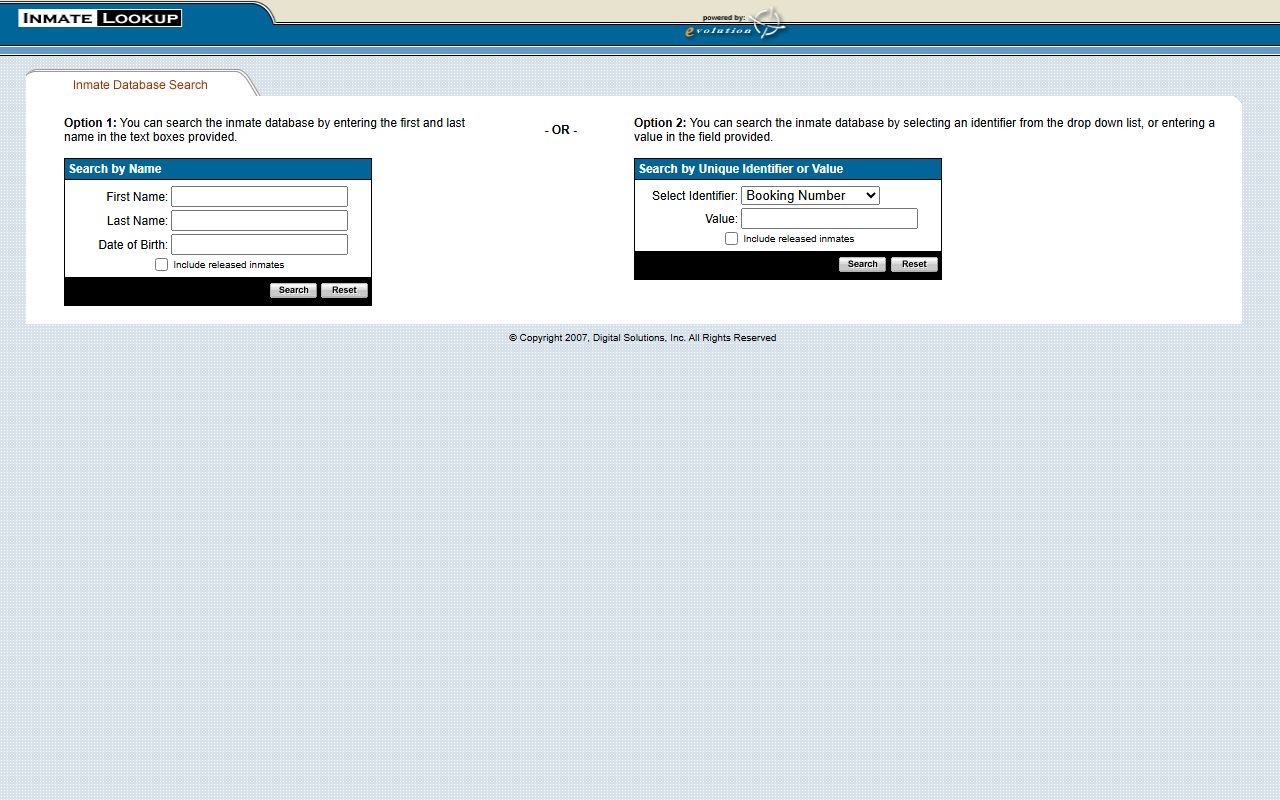
The inmate search displays charges, bond amounts, and housing assignments. This is helpful for verifying recent arrests and current custody status in Salem County.
You can also visit the Salem County Sheriff website for more details about services and contact information.

The site lists office hours, staff contacts, and available services.
Note: Inmate records reflect current custody data. For case outcomes and court dispositions, contact the Superior Court directly.
Searching Salem County Criminal History
The Superior Court in Salem handles all indictable criminal cases for the county. Court records include complaints, indictments, plea agreements, and sentencing orders. You can search for these records using the New Jersey eCourts system, which covers all counties statewide.
For local document searches, the Salem County Clerk offers a public records search portal. This tool covers recorded documents filed with the Clerk.
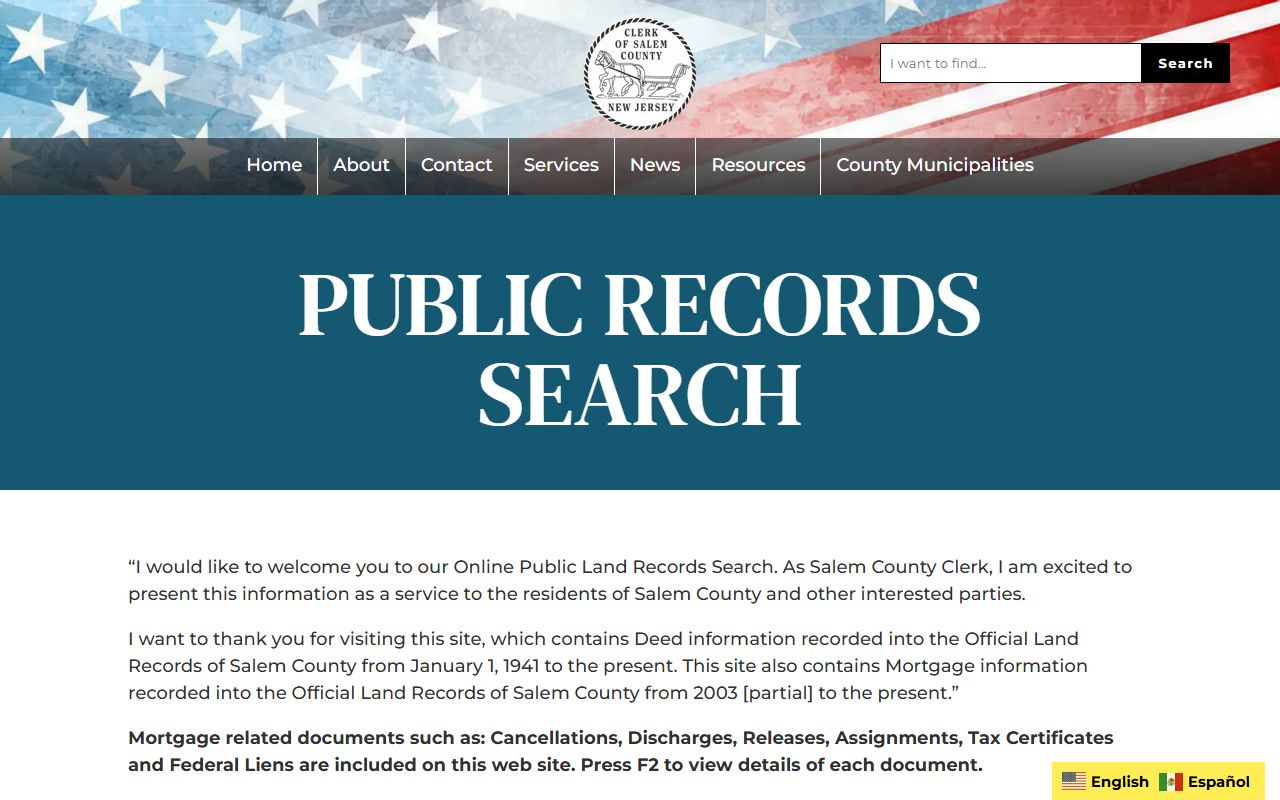
While the Clerk portal focuses on property records, it can reveal judgments and liens that result from criminal cases in Salem County. Restitution orders and civil judgments tied to criminal conduct often appear in these filings.
Municipal courts in Salem County handle disorderly persons offenses and traffic violations. Each municipality maintains its own court records. For minor criminal matters, you may need to contact the specific municipal court rather than the Superior Court.
Criminal History Background Checks
A formal criminal history check in New Jersey uses fingerprints. The State Police maintain the CHRI database, which stores arrest and conviction data from all 21 counties. Salem County arrests feed into this same system. When you submit fingerprints for a background check, the results include Salem County data alongside records from every other county.
The fingerprint process works through authorized vendors. You schedule an appointment, provide prints, and the vendor sends them to the State Police. Processing takes several weeks. The resulting report shows arrests, charges, and final case outcomes. This is the most thorough way to obtain criminal history tied to Salem County.
Name-based searches through court portals are faster but less complete. They may miss records filed under variations of a name. Fingerprint checks avoid this problem entirely since prints are unique to each person.
Note: Full CHRI reports are restricted. Only the subject of the record and authorized agencies can request them under state law.
Salem County Criminal Record Expungement
Expungement in Salem County follows the same state law that applies throughout New Jersey. You file a petition with the Superior Court in Salem. The petition must include all arrests and convictions you seek to have expunged. The court then reviews eligibility based on offense type and elapsed time.
Under the Clean Slate Act, some records qualify for automatic expungement. The state system identifies eligible cases and processes them without a petition. For records that do not qualify for automatic relief, you must file on your own or through an attorney. The waiting periods vary by offense.
- Indictable crimes require a waiting period after completion of the sentence
- Disorderly persons offenses have a shorter waiting period
- Drug offenses may qualify under special provisions
- Certain violent crimes are not eligible at all
When the court grants an expungement, all Salem County agencies must remove the record from public view. The Sheriff, Prosecutor, and court all receive the order. The State Police also update the central repository so the record no longer shows in CHRI checks.
Public Records Access in Salem County
OPRA gives the public a broad right to request government records. Under N.J.S.A. 47:1A-1, you can submit an OPRA request to any Salem County office. This includes the Sheriff, the Prosecutor, and the County Clerk. Each office may hold different parts of a criminal case record.
Agencies have seven business days to respond. They can grant the request, deny it with a reason, or ask for more time. Records related to active investigations are often exempt. Sealed and expunged records are not available through OPRA. Most other criminal justice documents are accessible to the public.
You can also visit the Salem County government website for OPRA forms and contact details for all county departments.

The site provides links to each department along with phone numbers and mailing addresses for submitting records requests.
Towns in Salem County
Salem County is made up of small towns and rural areas. All indictable criminal cases are handled at the Superior Court in Salem. Local municipal courts process minor offenses within each municipality.
Municipalities in Salem County include Pennsville, Carneys Point, Woodstown, Pilesgrove, and Alloway. Each has its own municipal court for lower-level criminal and traffic matters. Serious criminal cases from all these areas go to the county courthouse in Salem.
Nearby Counties
These counties neighbor Salem County. Criminal cases are filed in the county where the offense happened. Verify the arrest location to find the right records.